Win the Thumbnail with real estate photos luminis.media for Houston Listings
Every listing in Houston lives or dies in a grid of tiny images. On HAR, Zillow, Redfin, and the brokerage IDX feeds, a buyer meets your property as a postage stamp squeezed between twenty competitors. That is the thumbnail battleground. The lead image must work at two scales at once. It should be strong enough to stop a thumb on a four-inch phone, and it should hold up as the anchor of a full gallery when the buyer clicks through. That dual assignment changes how we shoot, select, and deliver photos.
As a Luminis Media real estate photographer team working across Houston neighborhoods, we treat the first image like a headline. We design it on purpose, from shooting strategy to post production, and we measure how it performs. That is how you win the thumbnail.
What actually shows at thumbnail size
On most search portals, buyers scroll on phones around 70 to 80 percent of the time. The displayed thumbnail is small, cropped center heavy, and frequently overlaid with price, badges, and text ribbons. Fine details disappear. Micro staging touches, a vase on the island, print textures, or a designer sconce will not read. Big geometry and contrast survive. That single idea informs the rest of the work.
The Houston Association of Realtors feed, which powers a lot of local browsing, displays a landscape thumbnail that is essentially a center crop of your source image with mild compression. Zillow and Redfin do roughly the same. If your lead photo relies on edge-of-frame detail, or if the subject sits low and wide in the composition, the crop will blunt it. A thumbnail-friendly image must be center-weighted, high contrast without being harsh, and clear in its message. Is this a charming Heights bungalow with a deep porch, a Montrose modern with a floating stair, or a Pearland two story with a big backyard and pool? The answer should be obvious in two seconds, no pinch zoom required.
Houston’s light, weather, and the truth of the property
Houston light is tricky. Humid air scatters sun. In the warmer months, exteriors can look flat by midday and brutal by late afternoon. Thin cloud layers, the kind that make you squint without seeing a defined sun, create large softboxes that flatten everything. Twilight skies turn purple faster in June than in November, and small front yards can go dark early because of big oaks and narrow streets.
We work around those realities. If we need the front elevation to sing, we block an early or late window that gives us shape, then we bracket and blend to preserve skies without making them look synthetic. For north facing homes in The Heights, we lean into overcast sessions for even porch light, then pop the landscaping and trim with tasteful flash. In a sun-blasted Sugar Land cul-de-sac, a clean twilight plays better than a midday exterior, especially if the property has landscape lighting or a pool with LEDs. The rule is consistency with a purpose. If a buyer swipes from a moody twilight lead to a gallery of fluorescent white balance and murky interiors, trust evaporates.
Composition for click-stopping thumbnails
Three technical choices consistently produce strong thumbnails for Houston listings. First, keep the elevation flatter than your eye wants. Avoid the habit of standing too close and tilting up to capture the whole facade. That keystone look gets worse as the image is resized. We back up, use a slightly longer focal length, and keep the camera level. Vertical lines stay vertical, and the geometry reads clearly at small sizes.
Second, simplify. Driveways full of shadow stripes from live oaks, a half visible car in the neighbor’s drive, or holiday signage become noise in a thumbnail. We move, reframe, and sometimes add a light pop to isolate the subject. On a Rice Military townhome, for example, we step across the street and compress with a 70 millimeter angle to clear parked cars and power lines, getting a tight, readable facade.
Third, anchor with light where it helps the eye. For interiors, a single well placed off camera flash through a soft umbrella into the ceiling can give separation to cabinetry and define the island edge. We do not chase fashion magazine drama. We create gentle shape that survives compression and makes the kitchen feel tactile, not sterile.
The first image strategy on MLS and portals
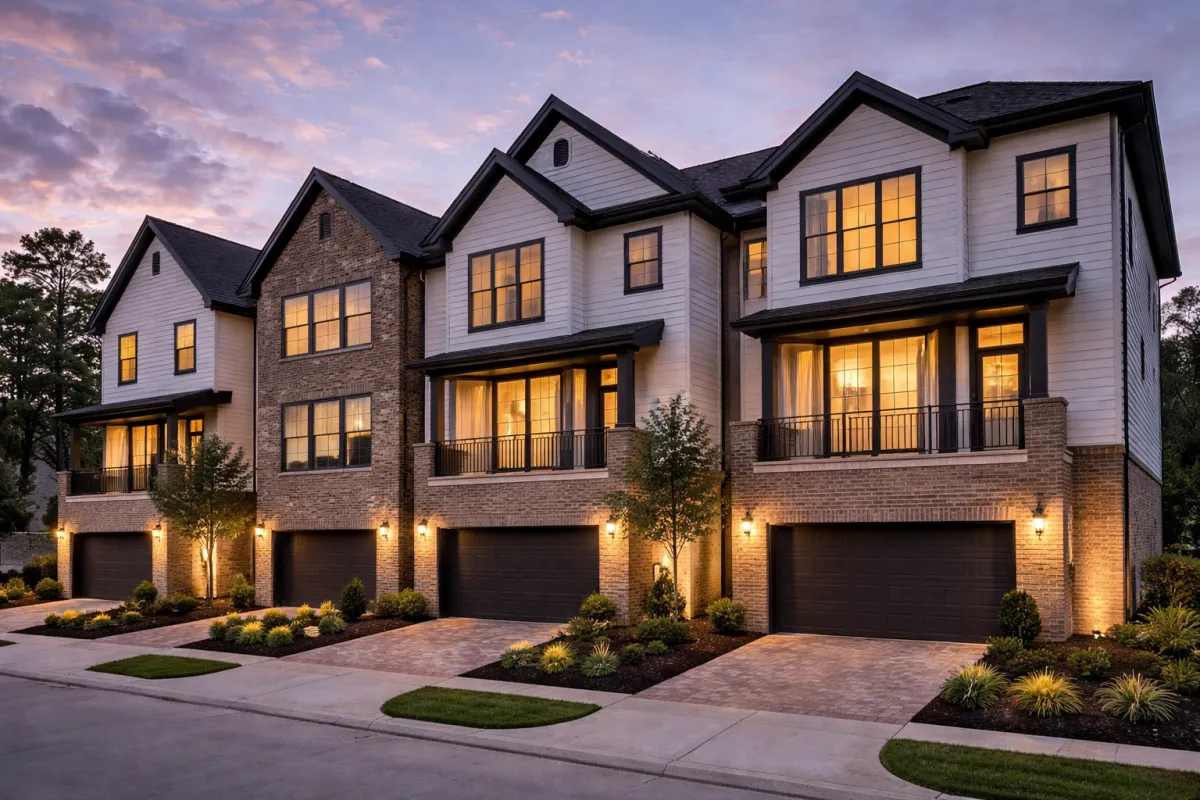
The first frame should sell the idea, not every feature. In West University, that might be the symmetrical brick facade framed by mature trees and a perfect lawn. In EaDo, it could be a stylish living room with steel windows and skyline peeks. https://facebook.com/luminismedia/ When we plan a shoot for Luminis Media listing photography, we flag three candidates for the lead as we work. One exterior anchor. One interior that distills the style. One twilight if the property benefits from tone and glow. After culling, we test the lead on a phone at 50 percent brightness because that is how people actually scroll.
Agents sometimes default to the kitchen as the lead, even when the exterior curb appeal is strong. That is a miss on thumbnails unless the kitchen has decisive geometry, a standout hood, or a big windowed wall that reads as a single shape. Conversely, a beige exterior in a community with repetitive elevations may not earn the click unless the sky and landscaping cooperate. That is when a living room hero frame, shot square to the space with a strong anchor like a fireplace, can outclick the exterior.
A quick way to pressure test your thumbnail
Here is a simple, repeatable process we use with every gallery before delivery.
- Export three lead candidates at 2000 pixels wide, sRGB, medium compression.
- AirDrop or email them to your phone and create a mock grid next to competitor listings.
- View at arm’s length, then at half brightness, and pick the image your eye finds first.
- Swap the lead on your draft MLS entry and check the center crop in preview mode.
- Recheck on Zillow and Redfin after syndication to confirm overlays do not block core elements.
Those five minutes often change the lead image choice. We have seen a classic front elevation lose to a tighter porch detail in The Heights because the porch swing and gas lantern read as distinct shapes under the MLS overlay.
Color, white balance, and the Houston mix
Houston interiors rarely enjoy single source lighting. Warm cans from 2008, cool LED bulbs from last year, daylight from a north window, and sometimes a blue-green cast from pool light just outside. Wrong color mixes make thumbnails muddy. Our approach at luminis.media real estate photography is hybrid: shoot with consistent Kelvin targets for the camera, usually 5000 to 5600 indoors, use off camera flash to overpower mixed bulbs when needed, then blend ambient exposure selectively so practical lights still glow. In post, we correct local casts, especially on white shaker cabinets that take on green from the yard. A believable white, not a chalky white, is the goal. Overcorrecting to pure gray may look clean on a monitor, yet the space goes dead in a small thumbnail. Since buyers in Houston expect warmth, we keep kitchens and living areas just on the warm side of neutral and cool the baths slightly so tile looks crisp.
Window views and the balance that sells
A window pull can be a thumbnail hero or a dead weight. If your River Oaks condo offers tree canopy views, get that outside detail without turning the room into a cave. We bracket and blend, but only to the level that matches a natural experience. On thumbnails, rooms that are too dark fall behind bright competitors. If a full fidelity window pull requires underexposing the room, we let the exterior blow a touch. In Memorial suburbs with a backyard pool, a partial view with a hint of water in the background can suggest lifestyle without dominating the frame. That hint is often enough to win a click.
Staging decisions that matter more at small sizes
Small-scale styling fades at thumbnail scale. Big moves translate. Remove counter clutter completely. Continuous counters photograph as a single tone band that gives the eye a place to rest. Stick to one focal decor piece, like a fiddle leaf in the corner or a clean wood bowl on the island. Chairs pulled out to achieve a lifestyle look create jitter when seen small, so we square them to the table and neaten bar stools in perfect alignment. Bedding with high contrast patterns gets noisy when compressed, so we pivot to solid or subtle texture. The idea is clarity over personality for the first frame, then we can add humanity elsewhere in the gallery.
The pre-shoot checklist we give sellers
- Park cars away from the house and close garage doors.
- Hide bins, hoses, lawn tools, and pool cleaners; coil visible cords.
- Clear counters, fridge fronts, and bathroom surfaces; stash small rugs.
- Replace burned bulbs with matching color temperature across rooms.
- Mow, edge, and blow the hardscape, then water the lawn for color pop.
We send this two days ahead, then do a quick sweep on arrival. In humid months, a fast window wipe on patio doors saves retouching later, and wetting driveways before an exterior gives a richer tone that plays well on thumbnails.
Twilight, blue hour, and when to use it
Twilight sells in Houston when the property offers lighting interest. A pool with water features, a modern facade with clean uplights, or a backyard entertaining area with string lights will all gain from a well timed blue hour. Townhomes with minimal frontage rarely benefit unless there is a dramatic skyline angle. We often schedule a split shoot for premium properties, daylight for interiors and detail, then return for twilight exteriors. The lead image might be twilight for Memorial and Sugar Land homes with outdoor spaces, while a Montrose modern may lead with a crisp interior because the facade lives in a tight, cluttered street.
For Luminis Media real estate photos, we keep twilight color just short of saturation. Deep purple skies are tempting, but they can feel phony when seen next to neutral interiors. A medium cobalt sky gives headroom for portal compression without banding, and warm windows read as invitations. If rain rolls through, which happens often in May and June, we pivot to a moody post rain exterior, using reflections on wet driveways to anchor the frame. Those can outperform standard twilights on thumbnails because the sheen is a large shape that catches the eye.
A Heights bungalow, and a lesson in cropping
A few months back, we photographed a 1920s bungalow in The Heights. Classic porch, swing, and board and batten. The agent wanted the full facade, including the low picket fence. In camera, the fence looked charming. In the MLS thumbnail, the fence became a dense stripe that swallowed the bottom third of the frame. The house felt small. We returned to a porch angle, centered the swing and lantern, and let the railing fall out of frame. The result read as human scale, bright, and balanced. CTR on HAR improved by 31 percent over the week, based on the agent’s traffic report. Same house, different story told at thumbnail size.
Drone and context at a glance
Aerials are tricky as lead images. They can win the thumbnail for properties where context is the selling point, like a Bay Area waterfront home, a lot that backs to greenbelt in Cinco Ranch, or a suburban parcel near a coveted school. They fail when the roof dominates or when the surroundings are visually messy. For luminis.media property photography, we shoot drone stills that feature a strong diagonal lot line or a clear path from subject to amenity, such as a walking trail or lake. We keep altitude low for intimacy. If we include an aerial as the lead, we test the crop to ensure the house sits large in the center band so portal overlays do not cover it.
Videography and the hero frame
Listings with strong video still win attention in feeds and social. The trick is to let video support the gallery, not replace it. Luminis Media real estate videography teams frame opening shots with the same logic as the lead photo. The first three seconds are often the basis for social thumbnails and YouTube previews. We design that hero frame so it could be a photo, then we keep pans slow and parallax subtle. On Instagram, a 4:5 crop of that hero frame can outperform a wide exterior, especially for modern interiors with clean lines. The consistency between the thumbnail of the video and the first photo supports brand memory and gives the buyer a single, clear first impression. For agents, that is a way to reinforce the property’s identity across channels.
File sizes, aspect ratios, and how they crop
HAR and national portals accept large images, yet many will generate several derivative sizes for display. A few practical notes help avoid surprises. We deliver galleries at 3600 pixels on the long side, sRGB, around 80 percent JPEG quality, which keeps files crisp without bloat. The MLS preview crop is often center weighted and can cut off the lower or upper edge if the subject is too high or low. A classic 3:2 landscape frame works reliably for most exteriors, while 4:3 can be better for tall living rooms where you need ceiling and floor, but beware that tall ratios shrink more aggressively when displayed next to wides. For social and ads, plan for 1:1 and 4:5 crops from the same master. We shoot a touch wider on key frames so you have room to crop vertically for Instagram without chopping essential elements.
Speed, weather windows, and honest turnaround
Houston weather plays games. A six hour forecast gap can be the only dry window you get in a week. Real estate photography Luminis Media teams monitor radar obsessively and hold flex slots for exteriors. If interiors are urgent, we shoot the inside on a rainy day and return for exteriors when skies open. This avoids the dreaded bright interior set paired with a gray, flat exterior lead. Turnaround typically runs 24 hours for standard shoots and up to 48 for twilight and heavy edits. Rushing color work or HDR blends to hit a same day target can lead to halo artifacts that jump out at thumbnail size. Quality beats speed if the goal is to win clicks, and small defects get magnified on phones.
Working within community and HOA constraints
Many Houston neighborhoods have signage rules and tight parking, and some HOAs restrict drone flights or tripod setups on sidewalks. We scout quickly and adapt. If drone is off the table, we will use a painter’s pole for a modest height boost to clear hedges and parked cars, then compress with lens choice. If holiday decor must stay, we minimize it in the lead frame and reserve wider festive shots for later in the gallery. That way the thumbnail stays timeless, and the listing does not feel date stamped a month later.
The human factor on shoot day
Good photos come from a quiet set. On occupied homes, we take ten minutes to move the family through a series of zones and keep pets safe. A golden retriever tail blur in frame looks cute at full size, then turns to a brown smear at thumbnail scale. We also ask for HVAC to run a bit cooler in summer shoots. Houston humidity fogs lenses the moment we come in from outside, and nothing slows down a session like waiting for glass to acclimate. These small requests are the difference between a smooth gallery and a scramble.
Editing philosophy that keeps trust
We correct power line tangles when they ruin a facade, replace skies when a gray blanket hides the roofline, and remove small sidewalk stains that draw the eye. We do not fake grass where there is mud from recent rains, we do not paint in non existing lights, and we do not erase permanent features like utility boxes that a buyer will see at a showing. The goal for luminis.media real estate photography is faithful enhancement, not fantasy. Thumbnails that overpromise might win a click, but the bounce rate goes up when the gallery feels different. Agents feel that hit in lower showing requests, and sellers feel it in days on market.
Choosing the lead for different Houston property types
For a Midtown loft with exposed brick and tall windows, a square-on living area shot that stacks brick, steel, and city hints wins more often than a street elevation that shows a garage door and a tight sidewalk. For a Katy family home on a cul-de-sac, a diagonal front elevation that shows the expanse of lawn and the sky can outperform an interior, especially when the sky carries soft texture. For a Museum District townhome with a roof deck, an angled exterior that reveals the deck zone, or a clean stairwell with sculptural lines, will carry the lead depending on where the strongest shape lives. We decide based on the shape that reads clearest in a tiny square.
How we measure success, beyond vanity
Agents often ask for numbers. While every listing has variables, we look at a few proxies. The HAR agent portal provides view and save counts by day. We track a baseline for the neighborhood and listing price from recent comps, then compare the first 72 hours of performance. If the curve underperforms, we rotate the lead image and watch the next 48 hours. That single switch can add 10 to 30 percent more views on mid tier listings. On premium listings, where buyers are more deliberate, we study time on page. A stronger lead often increases average time because it sets an expectation that the gallery fulfills.
Coordinating photos with copy and floor plans
A winning thumbnail sets a promise. The first three gallery images and the first line of copy should carry it forward. If the lead is a backyard oasis in Spring Branch, open the gallery with two supporting frames of the pool and covered patio, then a wide living room that connects to that yard. Start the remarks with the same idea in plain language. Floor plans close the loop. When we deliver Luminis Media property photography, we often pair it with measured floor plans or at least a schematic. Thumbnails earn the click, floor plans earn the showing.
Where Luminis Media fits
This is the work we do every day. Luminis Media real estate photography teams plan for the thumbnail from the first shot, not as an afterthought at export. Whether you search for real estate photos Luminis Media, real estate videography luminis.media, or simply need a real estate photographer luminis.media to trust with a high-stakes listing, the process is the same. We scout light, compose for clarity, edit for honesty, and test the images where buyers will see them, on a phone with overlays and compression. That attention is what turns a grid of small boxes into appointments on your calendar.
If you are prepping a listing in Houston, from a Montrose cottage to a new build in Cypress, and you want the lead image to do the heavy lifting, bring in a team that builds thumbnails on purpose. Luminis Media real estate photos, video, and listing photography are built to win the click, then keep it with a gallery that feels as good as the headline. When the scroll stops, the rest of the marketing has a chance to do its job.